Meet Neru
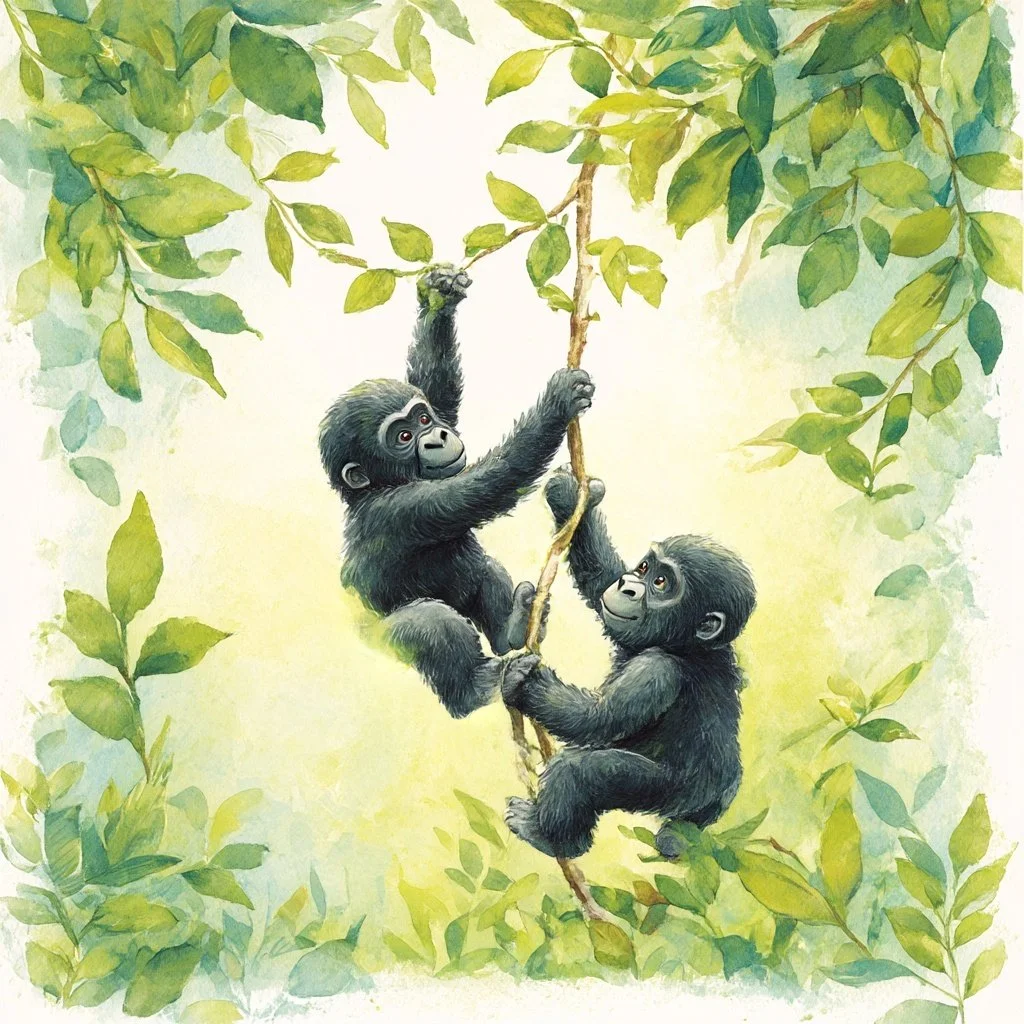
A young gorilla with an important story to tell.
A children’s conservation book helping young readers understand wildlife, forests, and the importance of protecting our planet.
About the Book
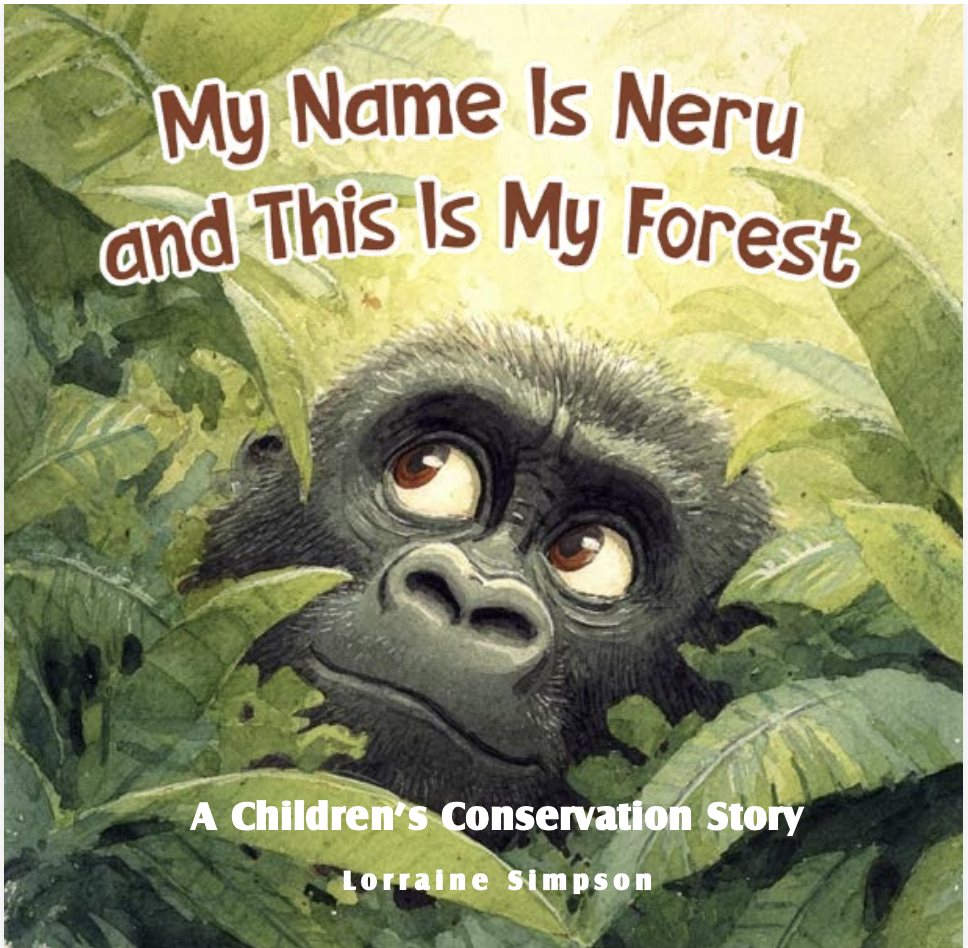
My Name Is Neru and This Is My Forest
My Name Is Neru and This Is My Forest is a children’s conservation story designed to introduce young readers to the natural world through the eyes of a young mountain gorilla growing up in the rainforests of Uganda.
Written for early learners and primary classrooms, the story gently explores themes of family, habitat, and the importance of protecting the natural environments we all share. Through simple storytelling and engaging illustrations, children are invited to step into Neru’s forest and discover how animals live together, how forests support life, and why caring for the planet matters.
The book offers an accessible introduction to wildlife conservation while encouraging curiosity, empathy, and respect for the natural world.
Why Schools Are Using This Book
The story has been created specifically with young learners in mind. It provides educators with an engaging way to introduce discussions about:
• wildlife and habitats
• ecosystems and biodiversity
• global awareness and geography
• environmental stewardship
• empathy for animals and nature
Because the story is told through the voice of a young gorilla, children connect easily with Neru’s experiences while learning about the forest he calls home.
The book encourages conversation and reflection, helping children understand that the natural world is something we all share and have a role in protecting.
Learning Through Story
Research shows that children often connect most deeply with environmental topics when they are introduced through storytelling. By meeting Neru and exploring his forest, children begin to understand that animals live in families, depend on healthy habitats, and share the planet with us.
The goal of the book is not only to inform, but to inspire young readers to care about the natural world and to recognize the importance of protecting it.
An Introduction to Conservation
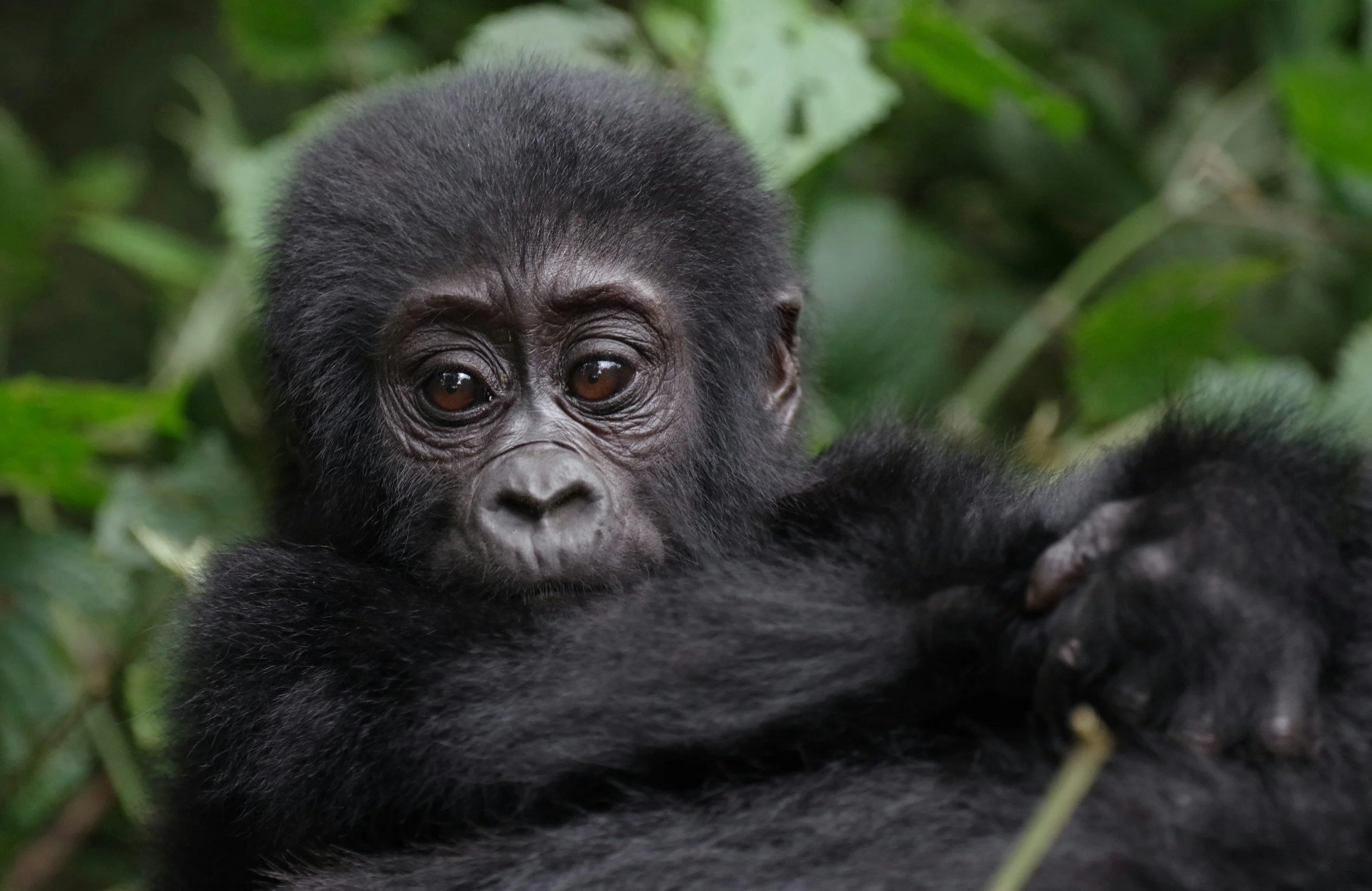
The story is inspired by the real mountain gorillas that live in the forests of Uganda. Today, their population is slowly growing thanks to conservation work, wildlife protection, veterinary care, and community partnerships.
By learning about Neru’s world, children gain an early understanding that conservation is something people can work together to achieve.
A Story Designed to Be Shared
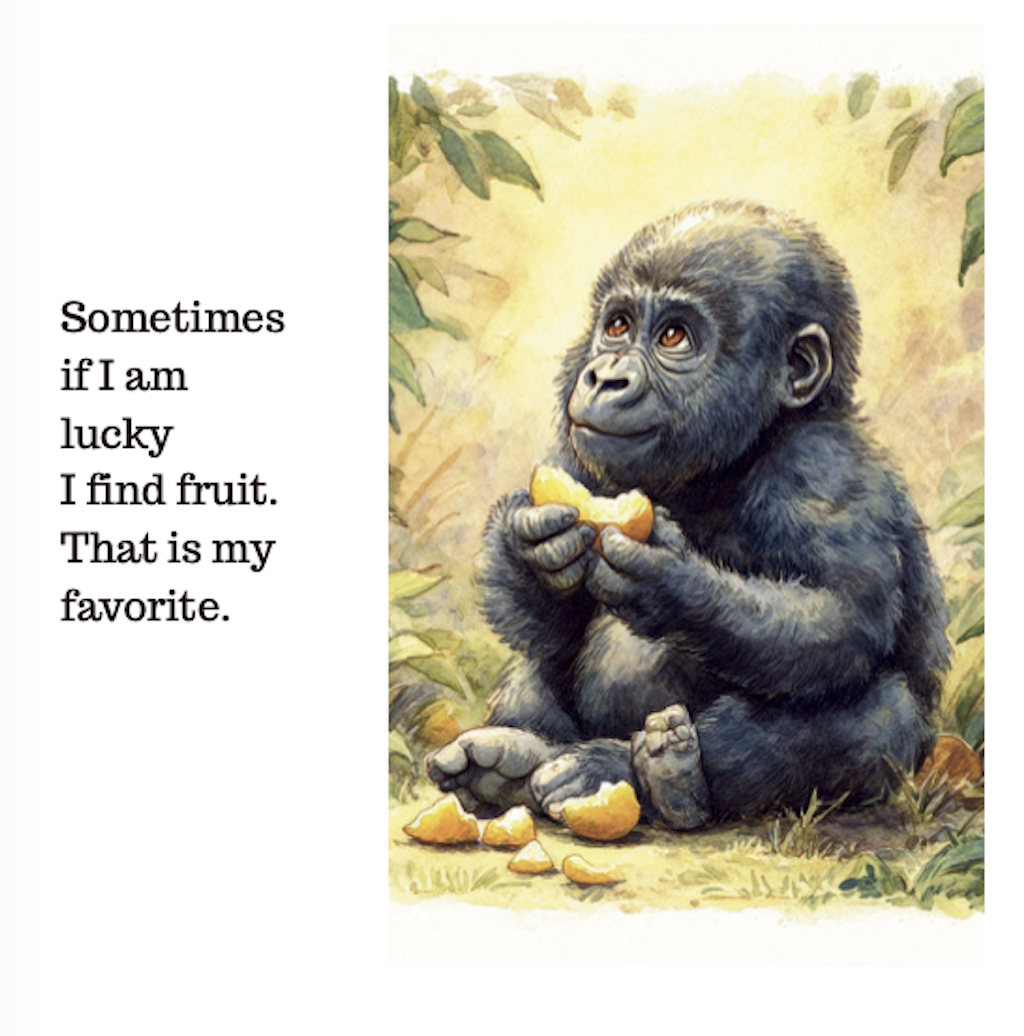
My Name Is Neru and This Is My Forest has been written with young readers in mind, using simple language and a gentle rhythm that makes it easy to read and enjoyable to listen to. The story flows naturally when read aloud, making it ideal for classroom reading time, bedtime stories, or shared learning moments between teachers and students.
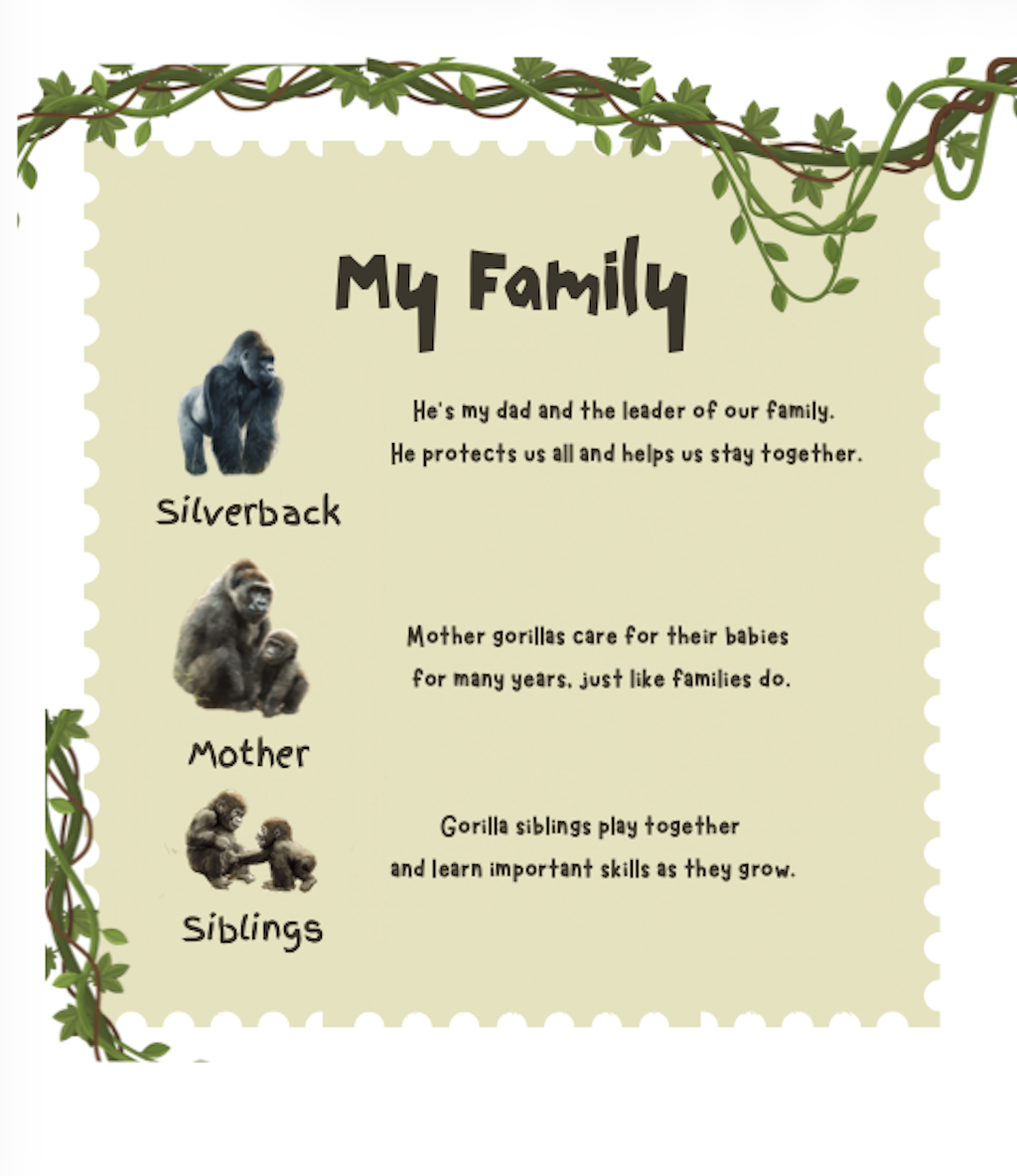
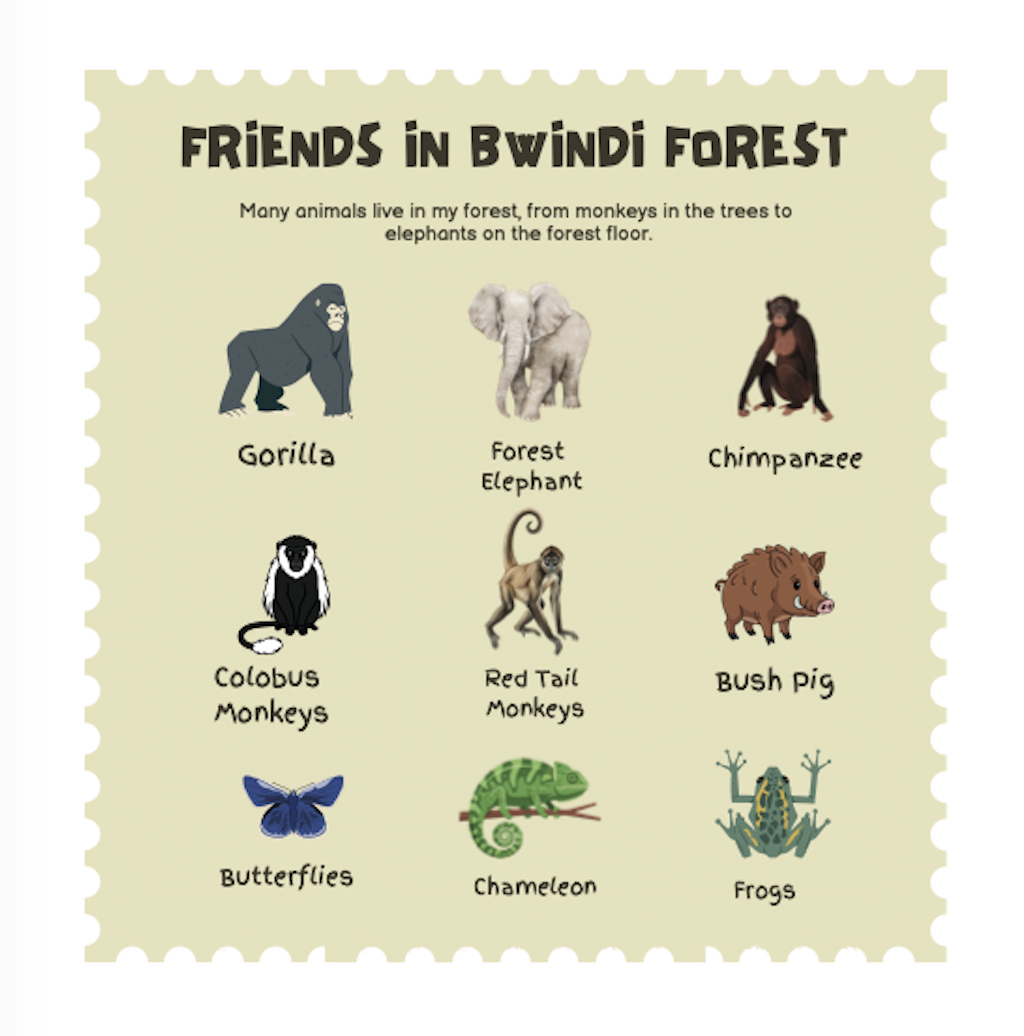
Through Neru’s voice, children are introduced to the everyday life of a young mountain gorilla growing up in the rainforest. The story invites curiosity while encouraging children to think about the animals, forests, and natural environments that make up our planet.
At its heart, the book is a warm and engaging story about family, home, and the world we share. Along the way, it gently touches on the importance of conservation and caring for the Earth, helping young readers begin to understand that protecting nature is something everyone can play a role in.
Designed to spark conversation and curiosity, the story creates a meaningful opportunity for children to connect with the natural world and to appreciate why protecting it matters for future generations.
Supporting Classroom Learning
To support educators, a teacher resource pack will accompany the book. The pack is designed to help teachers extend learning beyond the story and integrate it easily into classroom activities.
The teacher pack will include:
• printable classroom worksheets
• wildlife and conservation fact sheets
• vocabulary activities and word banks
• discussion prompts for classroom conversation
• simple environmental learning activities
These resources allow teachers to use the book as a starting point for broader lessons about wildlife, forests, and conservation.
Uganda’s Leadership in Mountain Gorilla Conservation
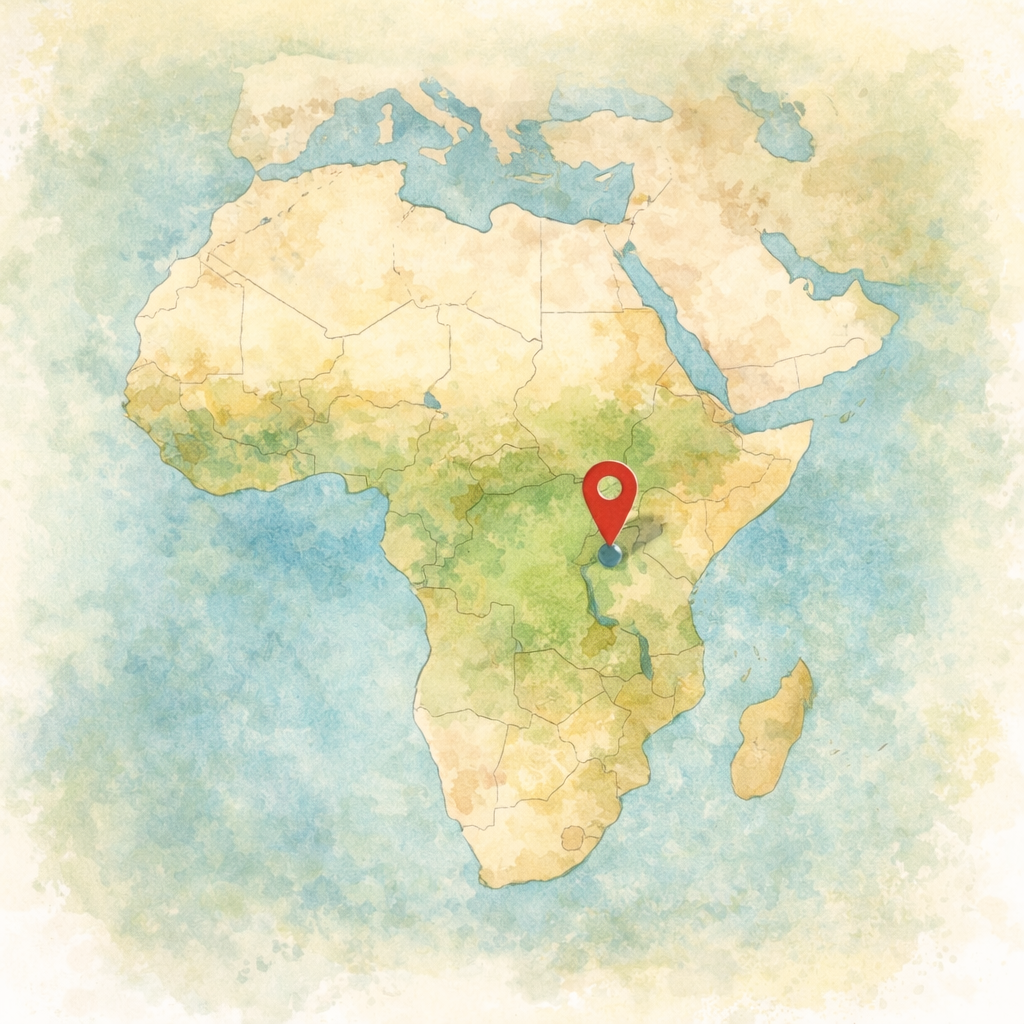
Uganda is home to nearly half of the world’s remaining mountain gorillas, most of which live in the dense rainforests of Bwindi Impenetrable National Park and Mgahinga Gorilla National Park. Over the past several decades, the country has become internationally recognized for its commitment to protecting these remarkable animals and the ecosystems they depend on.
Mountain gorillas were once on the brink of extinction. Today, their population has grown to just over one thousand individuals worldwide. This progress is the result of sustained conservation efforts led by the Uganda Wildlife Authority, in partnership with international conservation organizations, veterinary teams, researchers, and local communities.
Uganda’s approach to conservation combines several key strategies. Rangers patrol protected areas to prevent poaching and habitat encroachment. Veterinary teams monitor gorilla health and intervene when injuries or illness threaten individuals or family groups. Strictly regulated tourism permits allow visitors to experience gorilla trekking while limiting human impact on the animals. Revenue from tourism is reinvested into conservation and shared with local communities, helping to fund schools, health services, and employment opportunities.
This model has demonstrated that wildlife protection and community development can work together. When local communities benefit from conservation, they become partners in protecting forests and wildlife.
Despite this success, conservation work remains ongoing and fragile. Mountain gorillas live in small, isolated populations that depend on limited forest habitat. Continued protection requires sustained funding, ranger training, veterinary care, and responsible tourism management. Habitat preservation, community support, and global awareness all play a role in ensuring that future generations will still have the opportunity to witness these extraordinary animals in the wild.
Education also plays an important part in conservation. By helping young readers understand the importance of forests, wildlife, and biodiversity, stories like My Name Is Neru and This Is My Forest aim to inspire the next generation to value and protect the natural world we all share.
Why Conservation Education Matters for Children
Children form their understanding of the world at a very young age. Introducing them to nature, wildlife, and environmental responsibility early helps build empathy, curiosity, and respect for the planet they will inherit.
Conservation education encourages children to see that the natural world is not separate from their lives. Forests provide clean air and water, animals depend on healthy habitats, and human choices can either harm or protect these delicate systems. When children learn these connections early, they begin to understand that caring for the environment is a shared responsibility.
Stories are one of the most powerful ways to introduce these ideas. Through storytelling, complex topics such as ecosystems, biodiversity, and conservation become accessible and meaningful to young readers. By meeting Neru and exploring the forest through his eyes, children begin to understand that animals live in families, rely on their environment, and face challenges that people can help solve.
Education plays a vital role in shaping the next generation of environmental stewards. When young learners develop a connection to nature, they are more likely to grow into adults who value and protect the world around them.
Learning Through Story
Research shows that children often connect most deeply with environmental topics when they are introduced through storytelling. By meeting Neru and exploring his forest, children begin to understand that animals live in families, depend on healthy habitats, and share the planet with us.
The goal of the book is not only to inform, but to inspire young readers to care about the natural world and to recognize the importance of protecting it.